

Our Services
Need Any Help?
Need Any Help, Call Us 24/7 For Support
+91-97175 78931
drsushmarajput@gmail.com
Model Town, New Delhi, India
Exercise and Sleep: The Powerful Connection for a Healthier Life
Exercise and sleep are two essential pillars of overall health and well-being. While many people treat them as separate aspects of a healthy lifestyle, research shows that they are deeply connected. Regular physical activity can significantly improve sleep quality, while good sleep enhances physical performance, recovery, and mental clarity. Understanding the relationship between exercise and sleep can help you build healthier habits and achieve better balance in life.
How Exercise Improves Sleep Quality
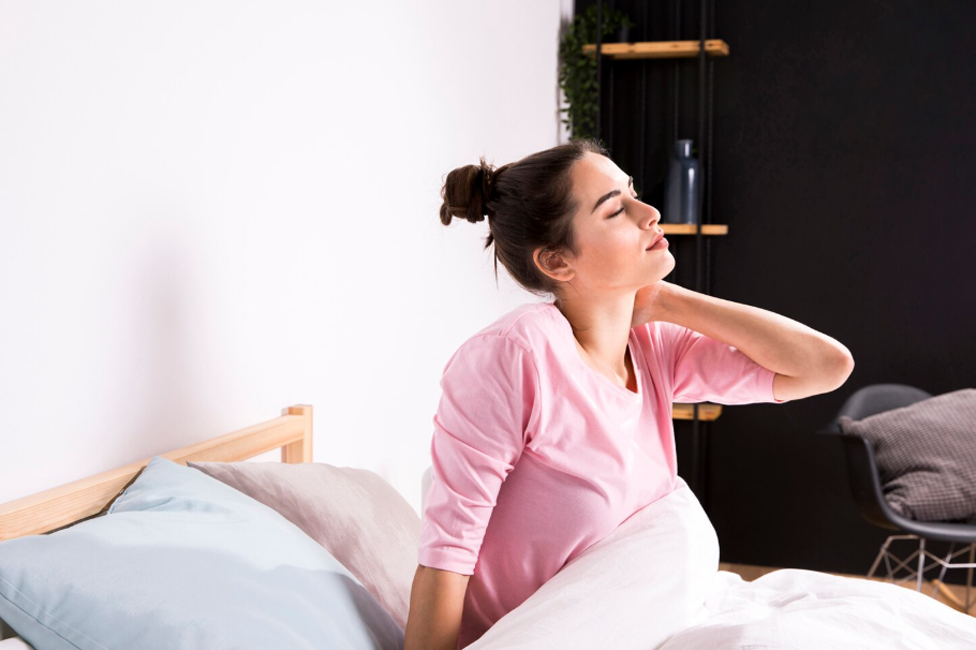
Engaging in regular exercise helps the body regulate its natural sleep-wake cycle, also known as the circadian rhythm. Physical activity increases the production of sleep-promoting hormones such as melatonin and helps reduce stress hormones like cortisol. As a result, people who exercise regularly often fall asleep faster, experience deeper sleep, and wake up feeling more refreshed.
Exercise also helps reduce common sleep problems such as insomnia and restless sleep. Aerobic activities like walking, jogging, swimming, and cycling improve heart health and oxygen circulation, which supports better nighttime recovery. Strength training and flexibility exercises such as yoga further relax the muscles and calm the nervous system, making it easier to unwind before bedtime.
The Role of Sleep in Physical Performance
Just as exercise improves sleep, quality sleep is essential for physical performance and recovery. During sleep, the body repairs muscle tissue, restores energy levels, and releases growth hormones that support muscle development and fat metabolism. Without adequate sleep, even the best exercise routine can become less effective.
Poor sleep can lead to fatigue, reduced coordination, slower reaction times, and decreased motivation to exercise. Over time, chronic sleep deprivation may increase the risk of injury, weaken the immune system, and disrupt hormone balance. This is why athletes and fitness enthusiasts place great importance on rest and recovery as part of their training routine.
Best Types of Exercise for Better Sleep
Not all exercise affects sleep in the same way. Some forms of physical activity are especially beneficial for improving sleep quality:
- Aerobic Exercise: Activities like brisk walking, running, cycling, and dancing help reduce anxiety and promote deep sleep.
- Strength Training: Resistance exercises improve muscle strength and support hormonal balance, contributing to better sleep.
- Yoga and Stretching: Gentle movements, deep breathing, and relaxation techniques calm the mind and prepare the body for rest.
- Mind-Body Exercises: Practices such as Pilates and tai chi combine movement with mindfulness, helping reduce stress and improve sleep patterns.
Timing Matters: When to Exercise for Better Sleep
The timing of exercise plays an important role in how it affects sleep. Morning and afternoon workouts are generally ideal, as they help regulate energy levels and support a healthy circadian rhythm. Exposure to daylight during morning exercise further enhances sleep quality at night.
Evening exercise can also be beneficial, but intense workouts too close to bedtime may overstimulate the body for some individuals. Light activities such as stretching, yoga, or a relaxed walk in the evening are often better choices if you exercise late in the day.
Exercise, Sleep, and Mental Health
Exercise and sleep together have a powerful impact on mental health. Regular physical activity reduces symptoms of stress, anxiety, and depression, all of which can interfere with sleep. In turn, good sleep improves mood, emotional regulation, focus, and resilience.
When exercise and sleep are balanced, people often experience improved self-confidence, better stress management, and greater overall life satisfaction. This positive cycle supports both physical and emotional well-being.
Tips to Balance Exercise and Sleep
- To get the most benefit from both exercise and sleep, consider these simple tips:
- Maintain a consistent exercise routine, even if it’s light or moderate.
- Avoid high-intensity workouts right before bedtime.
- Combine different types of exercise for balanced benefits.
- Create a relaxing bedtime routine to signal your body it’s time to rest.
- Prioritize sleep as an essential part of your fitness journey.